

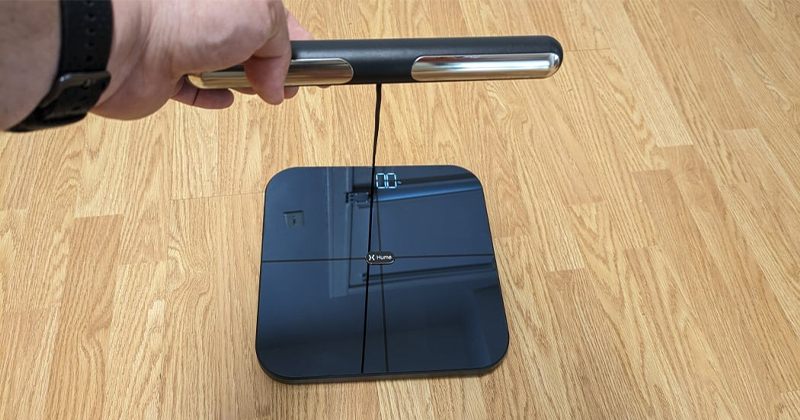
If you are trying to track body composition and metabolic progress with more detail than a regular smart scale gives you, this Hume Health US review should help. Hume Health positions itself as a connected health-tracking brand built around the Hume Body Pod, the Hume Band, and an app experience designed to turn body data into more actionable daily insights.
For this review, I looked at the things that matter most in real life: tracking depth, ease of use, app value, ecosystem strength, pricing, and whether the brand’s current product lineup supports its broader promise of better metabolic and body-composition health. I also used Hume Health’s official site to identify the standout products and official featured offerings now being pushed to US shoppers.
The quick takeaway is simple: Hume Health looks strongest for people who want deeper body insights, clearer progress tracking, and a more data-driven wellness routine than a standard scale or basic fitness tracker can provide.
This review uses a product-first editorial lens focused on usefulness, tracking quality, ecosystem depth, and value. For Hume Health, the testing criteria were straightforward: how clearly the company explains what its devices do, whether the app meaningfully improves the experience, how broad the official product lineup is, and whether the data promises feel grounded in the way the products are presented.
Hume Health is a connected health-tech brand built around body composition, metabolic health, and daily behavior tracking. Its official US site centers on the Hume Pod as the main at-home device, while also promoting the Hume Band and Hume app as part of a broader ecosystem.
Hume does not position itself as just another smart-scale company. The messaging is much broader: understand how your body responds to food, sleep, stress, activity, and daily habits, then use that information to make better choices. That makes the brand feel more like a wellness-data platform than a single-device business.
Hume is best known for the Hume Body Pod, which the site says tracks more than 45 body metrics and uses multifrequency bioelectrical impedance analysis to deliver a fuller view of body composition than a standard scale. The site also now highlights the Hume Band, the Hume Health App, and accessories like HumeWeave 2.0.
Hume Health is best for people who want more than body weight. It is especially suited to users focused on fat loss, muscle gain, recovery, metabolic signals, and habit tracking over time. It is less ideal for buyers who just want a basic scale or a very cheap fitness wearable.
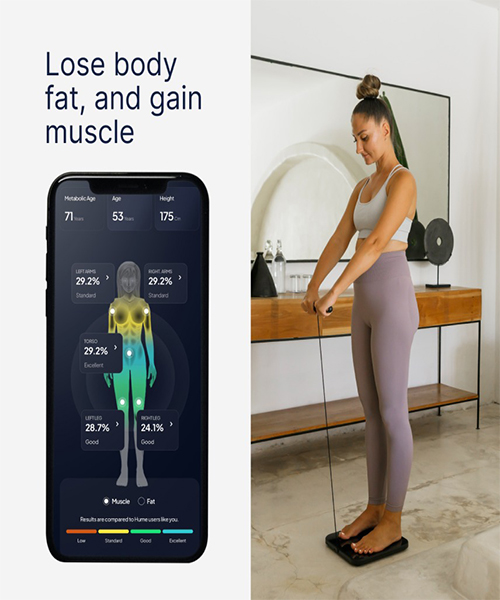
Hume Health is really about turning feedback into motivation. If you are someone who gets discouraged when the scale number does not move, the brand’s pitch is that the Pod and app can show the progress a normal scale misses. That is a strong angle, especially for users focused on body recomposition instead of simple weight loss.
The Hume Body Pod is presented as a more advanced, full-body scanner-style smart scale, with sensors in both the base and the handle. Hume says the handle allows scanning of the torso, arms, and legs, which is meant to improve accuracy compared with scales that only read from the feet. The company also says the Pod uses 8-frequency sensing and cites a 98% correlation with DEXA for certain body-composition measurements on its science page.
That is one of the brand’s biggest strengths on paper. Hume is not just saying “smarter scale.” It is trying to justify why the hardware should be meaningfully better than a low-cost body-fat scale.
A few features stand out most:
That is a strong ecosystem for users who want both body-composition data and day-to-day wearable tracking.
In day-to-day use, the Hume Body Pod looks most useful for people trying to connect habits with outcomes. The official site repeatedly emphasizes learning how your body responds to stress, sleep, food, and routines, then using weekly reports and nudges to adjust your behavior. That makes the product much more appealing for consistency-focused users than for casual weigh-in users.
The Hume Band broadens that value because it tracks ongoing metrics that the Pod alone cannot capture throughout the day. Combined, the system appears strongest for users who want a more complete health-tracking loop rather than isolated measurements.
Hume does a good job making the system sound approachable. The Pod is pitched as a simple 90-second weigh-in, and the Band is described as a 24/7 wearable with automatic syncing to the app. The app is also framed as easy to understand, with weekly health reports and straightforward progress views instead of just raw numbers.
That said, this is still a data-heavy brand. If you do not enjoy reviewing metrics or health dashboards, the value may feel lower than it does for more analytical users.
Maintenance looks pretty manageable overall. The Pod uses a rechargeable battery with long battery-life claims on official pages, and the Band is designed for regular wear. The bigger “maintenance” issue here is really consistency. Hume Health only makes sense if you actually use the products often enough to benefit from the trend data and feedback loops.
The price positioning is clearly premium-but-not-clinical. Recent official pages show the Hume Pod around $299 on sale from a higher listed price, while the Hume Band appears around the mid-$300 range on collection and product pages. The HumeWeave 2.0 strap is priced separately at about $45 on sale.
That means the value case depends on whether you will actually use the data. If you are serious about tracking body composition or understanding how your habits affect your body, Hume is easier to justify. If you only want a smart scale for occasional weigh-ins, it is probably overkill.
Hume does not show a traditional “best sellers” shelf in a simple retail format, but its official US site clearly surfaces its key ecosystem products and upsell collection. Using those official featured products as the closest equivalent, these are the five standout items shown on the brand’s site.
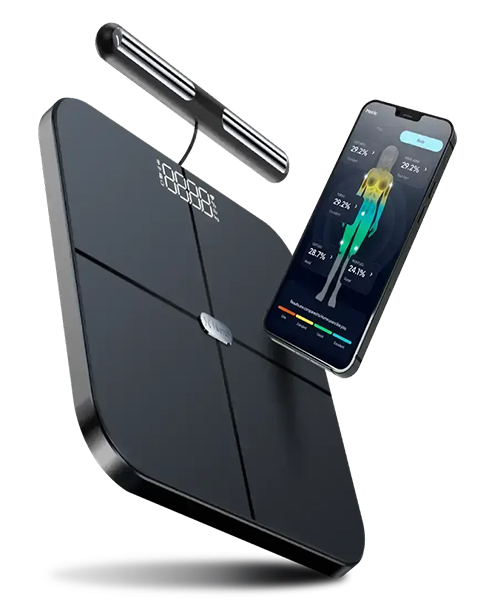
Who it’s best for: People who want deeper body-composition tracking than a normal smart scale offers.
Top 3 key features
One honest drawback: It is much more expensive than a standard smart scale.
Mini verdict: The clearest Hume product to buy first and still the strongest expression of what the brand does best.
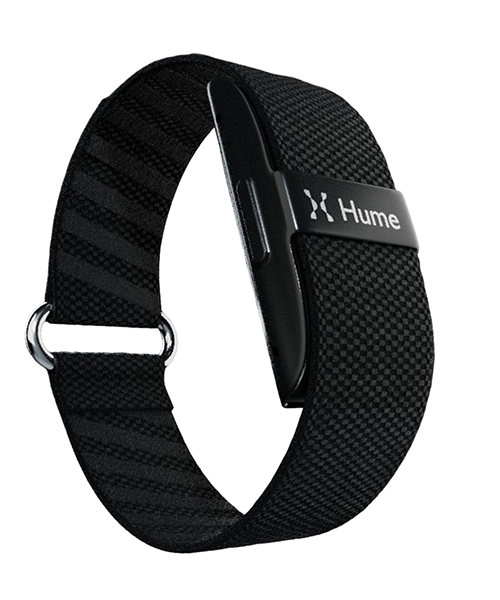
Who it’s best for: Users who want ongoing health, sleep, and recovery tracking to complement Pod measurements.
Top 3 key features
One honest drawback: It makes the most sense when paired with the rest of the Hume ecosystem.
Mini verdict: A smart add-on for people who want Hume to function as a daily health platform, not just a scale.
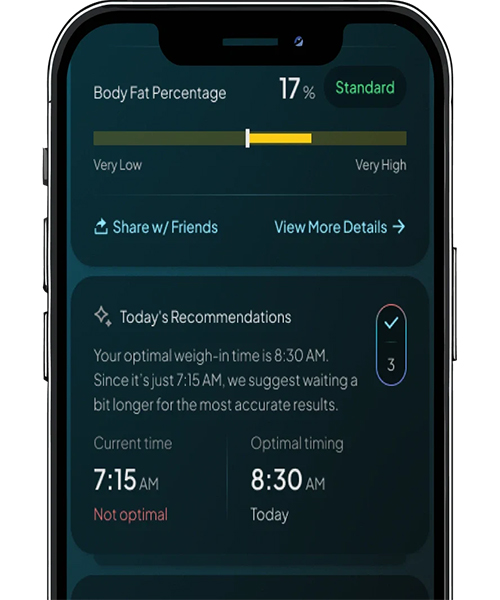
Who it’s best for: Hume users who want their body and wearable data translated into weekly insights and clearer next steps.
Top 3 key features
One honest drawback: Some of the best insights appear tied to paid premium access.
Mini verdict: Essential to the Hume experience and probably the biggest reason the hardware feels more useful than standalone devices.

Who it’s best for: Hume Band owners who want a more breathable, everyday comfort strap.
Top 3 key features
One honest drawback: It is purely an accessory, so it only matters if you already own the Band.
Mini verdict: A small but useful upgrade for people planning to wear the Band continuously.
Who it’s best for: Buyers who want extra peace of mind on a premium body-tracking device.
Top 3 key features
One honest drawback: It raises the effective total cost of ownership.
Mini verdict: Not essential for everyone, but understandable on a device in this price category.
Hume’s official pages lean heavily on review volume and testimonial language. The Hume Pod page shows a 4.8 rating with tens of thousands of reviews, and multiple Hume pages also feature endorsements or testimonials from athletes, clinicians, and users discussing motivation and health progress.
A few short customer sentiment examples, paraphrased from official-site themes:
Yes, Hume Health appears to be a legitimate health-tech brand. Its official site includes product pages, science and FAQ pages, app documentation, support content, return language, warranty information, and multiple device and product categories. The company also publishes specific technology explanations rather than only broad marketing claims.
For the right user, yes. This Hume Health US review comes out most positively for people who want a clearer picture of body composition, body recomposition, and metabolic progress over time. The Hume Body Pod is less compelling for casual users who only want occasional weight checks, but it looks genuinely useful for people who want more insight and are willing to engage with the app.
If those points line up, Hume makes a solid case.
Withings is a natural comparison because it also plays in connected health devices, smart scales, and app-based health tracking. Hume feels more aggressively centered on body composition, behavior feedback, and body-recomposition motivation, while Withings tends to feel broader and more multi-category in consumer health devices. This comparison is partly an inference based on Hume’s official positioning around metabolic and body-composition tracking.
| Category | Hume Health | Withings | Who Wins |
|---|---|---|---|
| Core identity | Body-composition and metabolic tracking | Broader connected health devices | Depends on buyer |
| Best for | Progress-focused body data users | Broader home health users | Depends on goal |
| App-led coaching angle | Strong | More moderate | Hume |
| Ecosystem simplicity | Focused | Broader | Hume for clarity |
| Overall flexibility | Strong within niche | Stronger across categories | Withings |
If you want a more focused “better body data” brand, Hume looks stronger. If you want a broader smart-health ecosystem, another brand may offer more range.
Hume’s official site currently shows sale pricing, promo-code language, financing options, free shipping messaging, and periodic special offers like buy-one-get-one promotions on the Pod. Availability and exact pricing can vary by page and promotion window.
You can buy Hume Health products directly from the brand’s official US website, where the Hume Pod, Hume Band, app information, accessories, and add-on protection products are all organized together.
Hume Health looks like a strong choice for buyers who want more meaningful body and wellness data than a normal smart scale can provide. The Hume Pod gives the brand a clear flagship product, the Band expands the ecosystem well, and the app appears central enough to make the whole system feel more useful than hardware alone.
This Hume Health US review lands in a positive place. It is not the cheapest route into health tracking, and it is not for people who dislike data-heavy tools. But for users who want a more complete picture of progress, Hume looks thoughtfully positioned and worth considering.
Lorem ipsum dolor sit amet, consectetur adipiscing elit. Ut elit tellus, luctus nec ullamcorper mattis, pulvinar dapibus leo.