
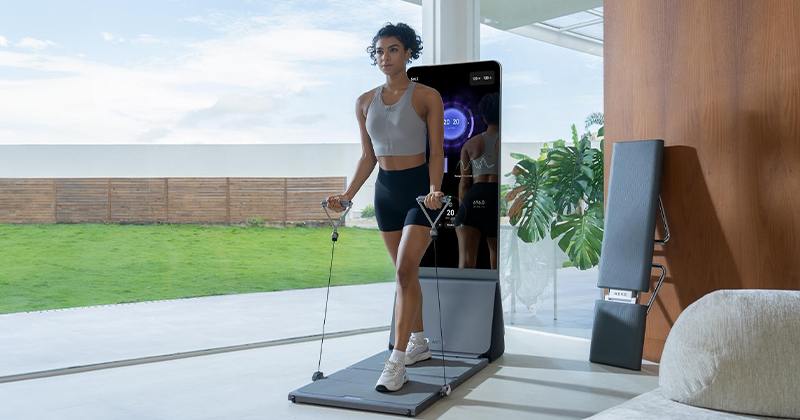
If you’ve been eyeing a mirror-style fitness machine but want something more strength-focused, this AEKE review should help. AEKE is building its identity around one flagship product, the AEKE K1, an AI-powered smart home gym that combines digital resistance, guided workouts, form tracking, and a foldable design meant for small spaces.
What makes AEKE interesting is that it is not selling a basic connected screen with workout videos. The brand is pitching a full smart-strength system: AI coaching, body assessment, adaptive plans, multi-user access, and accessories that expand what the machine can do. That makes it feel more like a serious home-fitness setup than a casual cardio gadget.
For this review, I looked at the things that matter most in real life: resistance range, space efficiency, accessories, app-free or subscription expectations, warranty, return limitations, and whether the current AEKE lineup actually supports the premium price. The short version is this: AEKE looks strongest for people who want a compact, high-tech strength setup at home and are willing to pay for convenience and design.
This review uses a product-first editorial lens focused on functionality, usability, and value. For AEKE, the testing criteria were simple: does the machine solve real home-gym problems, is the feature set clear enough to justify the price, and does the official site provide enough support and policy detail to inspire trust.
AEKE is a home fitness brand focused on AI-driven strength training. Its official site positions the company around compact, design-friendly home gym equipment with guided training, smart accessories, and a complete at-home workout ecosystem.
AEKE feels like a newer-generation smart fitness company rather than a legacy gym-equipment brand. The emphasis is on sleek design, small-space use, guided intelligence, and making strength training feel more approachable for home users. That matters, because the product is clearly aimed at buyers who want premium convenience and structure, not just raw iron.
Right now, AEKE is best known for the AEKE K1 smart home gym. The K1 page highlights AI real-time coaching, personalized planning, body assessment, 220 lb digital resistance, a 43-inch 4K touchscreen, foldable design, and multi-user support. The official K1 page also highlights several smart accessories, including Smart Grips, Heart Rate Armband, Smart 8 Electrode Scale, Ankle Straps, Smart Adjustable Barbell, Backup Cords, Camera Cover, and a Barbell Unloader.
AEKE is best for people who want a guided smart-strength system at home, especially in apartments or smaller rooms. It looks especially appealing for busy professionals, shared households, and buyers who want structured coaching without going to a gym. It is less ideal for people who want the lowest-cost setup or who already own a full rack, bench, and weight stack.
The main question with AEKE is whether the convenience and intelligence are enough to justify the price. For some buyers, absolutely. For others, it may feel like a premium layer on top of training basics they could do more cheaply with conventional equipment.
On paper, the K1 is a serious piece of hardware. AEKE says it offers a 43-inch 4K touchscreen, 2.1 surround sound, 220 lb digital resistance with 1 lb precision control, and a patented foldable design that becomes workout-ready in one minute. That is a strong spec sheet for a home-strength machine, especially when you add in body assessment and motion tracking.
The design pitch is also smart. AEKE is very clearly targeting the person who wants their home gym to disappear when not in use. The site says the system folds down into a small footprint, which is one of the strongest practical arguments in its favor.
A few features stand out most:
That last point matters more than it seems. A lot of people are tired of buying expensive hardware and then paying forever just to unlock the basics.
In real-world terms, AEKE looks strongest for people who want guided resistance training at home and want the machine to do more of the thinking. The official site positions the K1 around adaptive training, real-time coaching, and progress tracking, which should appeal most to users who want accountability and structure.
The machine also looks like a better fit for general strength and mobility training than for pure powerlifting-style buyers. That is not a criticism. It is just a sign of who the product is really for. AEKE seems to be building for consistency, convenience, and form-guided home workouts, not for garage-gym maximalists.
Ease of use is one of AEKE’s biggest advantages. The company says the machine can be workout-ready in one minute, and the whole interface is built around a large touchscreen and guided sessions. That instantly lowers the barrier for people who want to work out but do not want to design every session from scratch.
The accessory ecosystem also helps. Smart Grips, Ankle Straps, a Heart Rate Armband, and a Smart Adjustable Barbell suggest that AEKE is trying to make one machine feel more complete rather than overly limited.
The biggest maintenance concern with AEKE is not cleaning. It is ownership risk. The FAQ says the K1 comes with a two-year warranty, while accessories have a one-year warranty. But the return policy language is stricter than some premium brands: the site says customers should contact AEKE within seven calendar days after receiving the product if there is a quality issue, and it specifically frames that around quality problems.
That means buyers should read policy details carefully before purchasing, because premium hardware always feels better when return flexibility is generous.
AEKE’s official product page currently lists the K1 at $3,798, discounted from $4,598. That puts it squarely in premium smart-home-gym territory. The right way to judge the price is not against one dumbbell set. It is against the combination of machine, coaching, space savings, digital resistance, and household usability.
If you want a guided, polished, compact system and expect to use it often, the value starts to make sense. If you are only mildly committed to home training, it is probably too expensive to justify.
AEKE does not present a traditional all-store “best sellers” shelf, but the official K1 and smart accessories pages clearly surface the products that anchor the ecosystem. Using those official featured items as the closest equivalent, these are the five standout products from the brand’s current lineup.
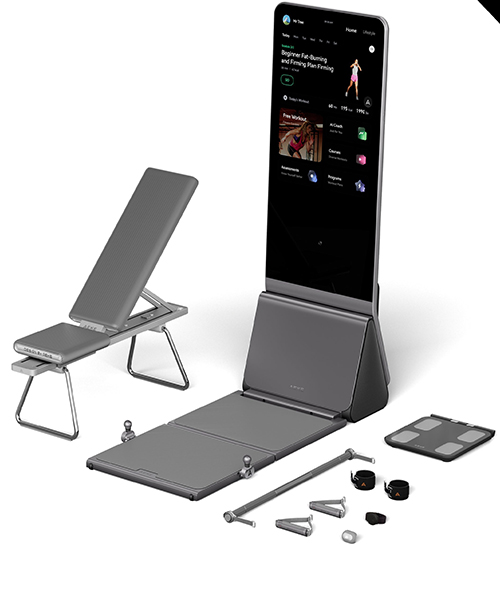
Who it’s best for: People who want a premium all-in-one AI-guided strength system for home use.
Top 3 key features
One honest drawback: It is a major upfront purchase.
Mini verdict: The clear reason to consider AEKE in the first place.

Who it’s best for: Users who want a more complete strength-training experience with the K1.
Top 3 key features
One honest drawback: Their value depends on already owning the base machine.
Mini verdict: One of the more important add-ons for making the K1 feel like a fuller gym.
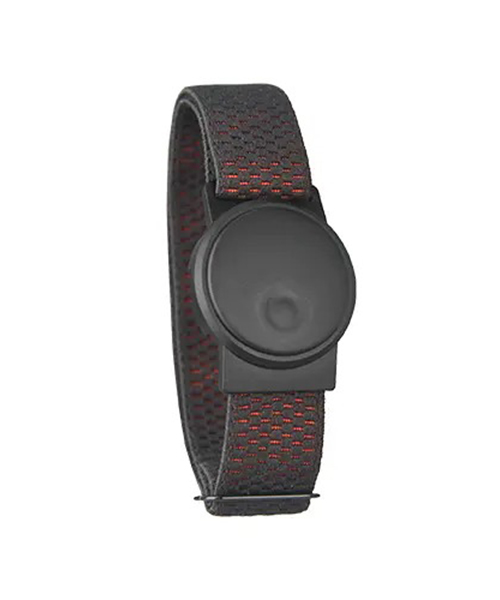
Who it’s best for: Buyers who want more complete workout tracking and biometric feedback.
Top 3 key features
One honest drawback: Not essential for users who only care about lifting basics.
Mini verdict: A good add-on for data-oriented users.
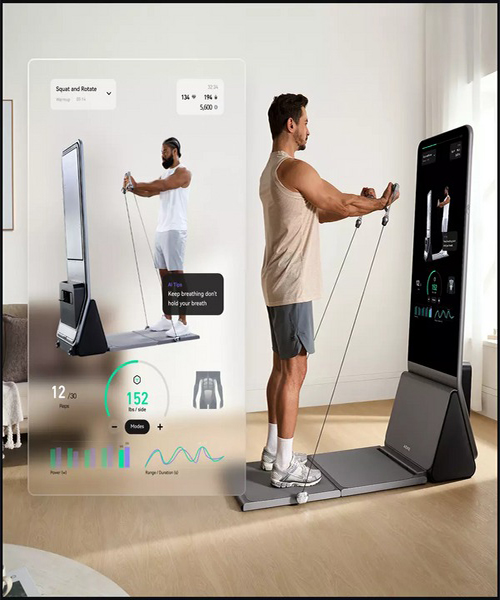
Who it’s best for: Users who want barbell-style movement options inside the AEKE system.
Top 3 key features
One honest drawback: It adds cost to an already premium setup.
Mini verdict: One of the best upgrades for serious strength users.

Who it’s best for: People who want more lower-body and accessory movement variety.
Top 3 key features
One honest drawback: It is more of a useful accessory than a headline feature.
Mini verdict: Small add-on, but practical if you want more than the basics.
AEKE’s official pages lean heavily on testimonial-style messaging, especially around convenience, smarter training, and easier home consistency. The site also highlights recent media mentions and strong crowdfunding validation, including a statement that the K1 raised over $1.4 million on Kickstarter.
A few likely customer themes, paraphrased from the official positioning:
Yes, AEKE appears to be a legitimate fitness brand. The official site includes product pages, support pages, FAQs, warranty language, order tracking, a support center, and policy pages. The company also clearly explains its hardware specs and accessory ecosystem.
For the right buyer, yes. This AEKE review comes out most favorably for people who want a compact, guided smart home gym and actually plan to use the coaching and tracking features consistently. The AEKE K1 is less compelling for traditional lifters or casual buyers who just want a simple low-cost setup.
What to look for before buying:
If those points match your needs, AEKE makes a solid case.
Tonal is the natural comparison because both products sit in the smart-strength, AI-guided home-gym category. AEKE appears to compete on compact convenience, a foldable design, and a no-subscription-required message, while Tonal is the more established name in the category. This comparison is partly an inference based on AEKE’s official positioning and feature set.
Category | AEKE | Tonal | Who Wins |
Core identity | Foldable AI smart home gym | Established smart strength system | Depends on buyer |
Best for | Small spaces, guided home use | Premium connected strength training | Depends on goal |
Subscription pressure | Lower appeal due to no-subscription-required message | More subscription-oriented ecosystem | AEKE |
Brand maturity | Newer | More established | Tonal |
Space-saving design | Very strong | Strong | AEKE |
If you want the more established brand, Tonal still has the edge. If you care more about foldability and avoiding subscription fatigue, AEKE looks more appealing.
AEKE currently shows sale pricing on the K1, with the official product page listing it below a higher crossed-out price. The official site also notes HSA/FSA eligibility and financing-related messaging, which can help soften the upfront cost.
You can buy AEKE directly from the official AEKE website, where the K1, accessories, policies, FAQ, and support information are all organized together.
AEKE is best known for the AEKE K1, an AI-powered smart home gym with digital resistance and guided workouts.
Yes, especially for buyers who want a premium, compact smart-strength system for home use.
AEKE says the K1 offers 220 lb of digital resistance with 1 lb precision control.
The official product page says no subscription is required.
Potentially yes. The official site strongly emphasizes the foldable, compact design and small-space usability.
Yes. The product page mentions multi-user profiles, and the site also highlights family-friendly sharing.
The FAQ says the K1 has a two-year warranty and accessories have a one-year warranty.
The official K1 page highlights Smart Grips, Heart Rate Armband, Smart 8 Electrode Scale, Ankle Straps, Smart Adjustable Barbell, Backup Cords, Camera Cover, and Barbell Unloader.
AEKE says the machine is workout-ready in one minute and uses a foldable design intended for easy home use.
AEKE looks like a thoughtful smart-home-gym brand with a clear point of view. The K1 is the main story here, and it tells that story well: compact, guided, strength-focused, and visually polished. The accessory ecosystem helps, the no-subscription-required message is attractive, and the small-space design is one of the strongest parts of the whole pitch.