Category: Fashion

  • Analyzing the Impact of Street Style on Haute Couture Fashion

    Analyzing the Impact of Street Style on Haute Couture Fashion

    Analyzing the Impact of Street Style on Haute Couture Fashion

    The influence of street style on haute couture

    Fashion has always been a reflection of society, and one of the most fascinating intersections of this cultural exchange can be observed in the influence of street style on haute couture. Street style, with its urban individuality and uncompromising attitude, has revolutionized the fashion industry and blurred the boundaries between the catwalk and everyday life. This article examines street style’s significant influence on haute couture, showing how it has redefined trends, challenged traditional fashion norms and ultimately transformed the industry.

    The rise of street style:

    Street style emerged at the grassroots, born in the diverse and vibrant neighborhoods of urban cities. It emerged as a unique form of self-expression for people who wanted to break free from the constraints of mainstream fashion. Blending elements of culture, music, art and personal style, street fashion became a powerful voice for subcultures and a means to challenge the fashion establishment.

    The influence of street style on haute couture

    Democratization of fashion:

    One of the most notable aspects of street style’s influence on haute couture is its democratizing effect. Traditionally, fashion was largely dictated by elite designers, fashion houses and glossy magazines. However, Streetstyle broke this exclusivity by allowing anyone with a creative eye and sense of style to participate and become an influencer. The rise of social media platforms, street style blogs and fashion forums provided individuals with a platform to showcase their unique looks and influenced millions of people around the world.

    Trends and innovations:

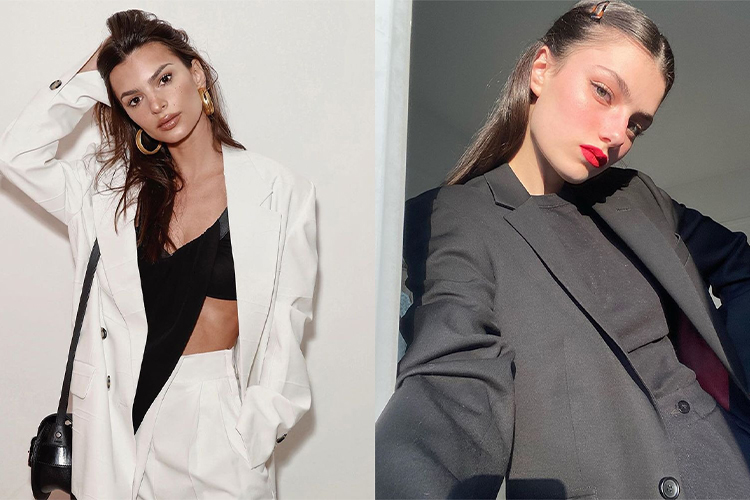
    Street style serves as an inexhaustible source of inspiration for high fashion designers, influencing trends and challenging conventional norms. Designers often draw inspiration from urban street culture and incorporate elements such as oversized silhouettes, layering and statement accessories into their collections. The influence of street style on high fashion has led to the reinterpretation of classic designs, the introduction of new fabrics and the fusion of high fashion and low fashion. It has created a dynamic dialogue between streetwear and luxury, which has led to collaborations between high-end designers and streetwear brands.

    Celebrities as trendsetters:

    Street style has profoundly influenced the way celebrities dress, transforming the red carpet into a platform for showcasing urban flair. Celebrities like Rihanna, Kanye West and Pharrell Williams have become fashion icons, effortlessly combining street style elements with high fashion clothing. Her ability to make unexpected fashion choices has not only influenced her fans, but also challenged the industry to embrace diversity and individuality.

    The influence of street style on haute couture

    Street style in Fashion Week:

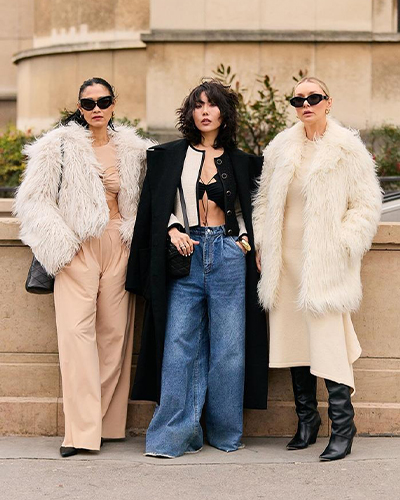
    Street style’s influence on haute couture is most evident at Fashion Week events around the world. Fashion capitals such as Paris, New York, London and Tokyo are becoming a melting pot of different street style looks where fashion enthusiasts come together to showcase their personal style. Photographers and designers flock to the streets to capture the latest trends and document fashion creativity outside of the fashion shows. Many high fashion brands have recognized the value of street style and often invite influential street style stars to their shows or collaborate with them on exclusive collections.

    Inclusivity and Diversity in Fashion:

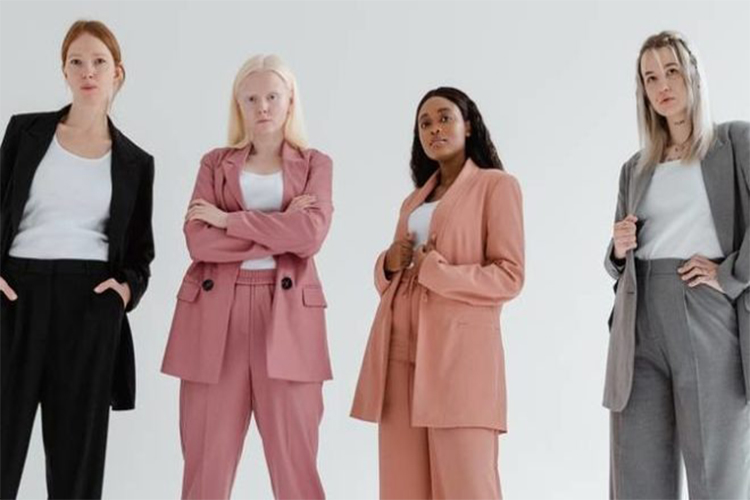
    The influence of street style on haute couture has also played an important role in promoting inclusivity and diversity within the industry. Street fashion celebrates individuality and personal style and breaks traditional beauty standards and rigid fashion norms. It takes into account the diversity of body shapes, sizes and ethnicities, allowing for a more inclusive representation of beauty.


    The influence of street style has encouraged high fashion brands to expand their offerings, appeal to a wider range of customers and include models from different backgrounds. There is now a more diverse selection of models on the catwalk, reflecting the global audience and celebrating the uniqueness of each individual.

    Beyond the catwalk: street style as a global phenomenon:

    The influence of street style extends beyond fashion weeks and catwalks. It has become a global phenomenon, with cities such as Tokyo, Berlin, Seoul and Copenhagen gaining recognition for their distinctive street fashion scenes. Street style photographers, influencers and bloggers travel the world capturing the unique fashion expressions of various cultural centers.


    Social media platforms have played a crucial role in showcasing and disseminating street style trends and making them accessible to a global audience. Instagram, in particular, has become a breeding ground for street style influencers who document their daily looks, share styling tips, and inspire others to embrace their personal style.

    The influence of street style on haute couture

    The influence of street style on haute couture is a two-way street. While street style inspires high fashion designers, the industry itself has also influenced street fashion. The luxurious materials, intricate details and craftsmanship of haute couture have influenced streetwear, giving it a new level of sophistication and exclusivity. Collaborations between luxury brands and streetwear labels have blurred the boundaries even further, resulting in innovative and sought-after collections.


    The symbiotic relationship between street style and high fashion has led to a new paradigm in the fashion industry. A space has been created in which creativity, individuality and personal expression are celebrated. No longer bound by rigid rules or dictated solely by fashion elites, style has become a democratic platform for self-expression and a means to connect with others who share similar tastes and interests.


    Street style has also challenged the traditional fashion calendar and disrupted the concept of seasons. The speed at which trends emerge and spread in the digital age has increased, making fashion more accessible and more responsive to consumer needs. The influence of street style has led to a shift in focus from traditional fashion weeks to streetwear events and pop-up collaborations where the pulse of fashion can be felt in real time.


    In summary, street style’s influence on high fashion has revolutionized the industry, opening up a new perspective and instilling a sense of authenticity and individuality. It has disrupted conventional ideas about fashion and created a space where everyone can participate, contribute and help shape the narrative. Street style has democratized fashion, inspired designers, challenged norms, promoted inclusivity and celebrated diversity. As fashion continues to evolve, the symbiotic relationship between street style and high fashion will undoubtedly continue to shape and define the industry, pushing boundaries and reflecting the ever-changing nature of our society.

  • Exploring the Impact of Fashion on the Evolution of Power Dressing

    Exploring the Impact of Fashion on the Evolution of Power Dressing

    Exploring the Impact of Fashion on the Evolution of Power Dressing

    The influence of fashion on the concept of power dressing

    Fashion has always been an influential force in society, shaping not only personal style but also the way we perceive power and authority. Power dressing, the practice of dressing in a way that exudes confidence, authority, and professionalism, has undergone significant changes over the years. From the structured and formal clothing of the past to the more modern and expressive styles of today, fashion continues to play a crucial role in defining and redefining the concept of power dressing.

    Cultural influences:

    Power dressing is not limited to a single culture or region. Fashion and power dressing have different interpretations and influences in different cultures. For example, traditional clothing such as the kimono in Japan or the sari in India, when worn in certain contexts, can convey a sense of power and authority. Examining how different cultures incorporate fashion into power dressing can lead to a more complete understanding of its global impact.

    The influence of fashion on the concept of power dressing

    Fashion and body language:

    Power dressing goes beyond the clothes themselves; This also includes body language and non-verbal communication. The way you carry yourself in powerful clothing can have a significant impact on how you are perceived. Fashion can influence posture, gait and overall body language, reinforcing the impression of authority and confidence.

    Breaking stereotypes:

    Fashion has played an important role in challenging traditional gender stereotypes surrounding power dressing. The rise of gender-neutral and cross-gender fashion has given individuals more opportunities to express their identity while maintaining a sense of power and professionalism. Examining how fashion has helped break gender norms and promote inclusivity in power dressing can highlight fashion’s transformative potential in society.

    The Impact of Technology:

    The advent of technology and the increase in virtual interactions have also influenced power dressing. As more people work remotely or attend virtual meetings, the focus has shifted to creating a strong presence through digital platforms. Fashion decisions, such as choosing appropriate colors, patterns and accessories, can increase impact and engagement in the virtual space.

    Sustainability and ethical considerations:

    The fashion industry is facing increasing scrutiny over its environmental impact and labor practices. The concept of power dressing can also include considerations of sustainability and ethical fashion choices. Exploring how individuals can embrace power dressing while considering the environmental and social consequences of their clothing choices can shed light on evolving values in the fashion industry.

    The rise of sport:

    The emergence of athleisure, a mix of sports and casual clothing, has challenged traditional notions of power dressing. Athleisure has gained popularity in recent years and people are also opting for comfortable and casual clothing styles in professional environments. This shift in fashion reflects a changing perception of power, emphasizing comfort, flexibility and a more relaxed approach to authority.

    The influence of fashion on the concept of power dressing

    A-line dress:

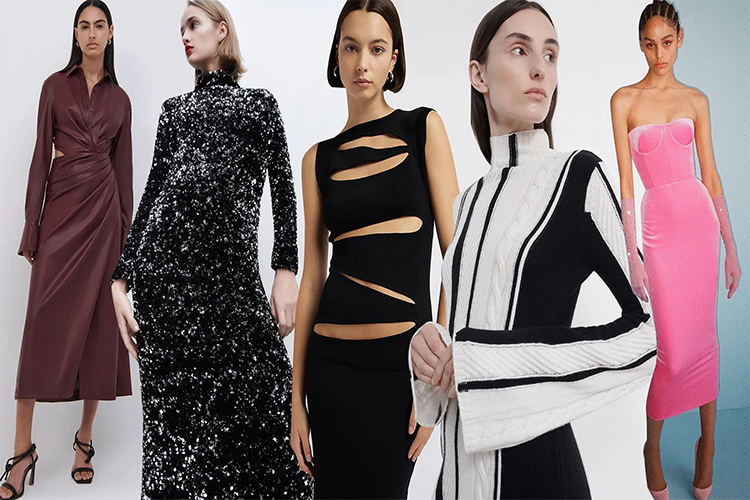
    An A-line dress is fitted at the waist and gradually widens toward the hem, creating an “A” shape. This style is flattering on most body types as it emphasizes the waist and flows over the hips and thighs.

    Wrap dress:

    A wrap dress features a front closure that wraps around the body, creating a flattering V-neck and adjustable fit. This style is known for its versatility and ability to accentuate the waist while accommodating different bust sizes.

    Fit and flare dress:

    The figure-hugging dress has a fitted waist and flows into a full skirt, creating an hourglass silhouette. This style emphasizes the waist and adds volume to the lower half, making it a flattering choice for different body shapes.

    Sheath dress:

    A sheath dress is usually form-fitting and falls straight down from the shoulders. It glides over the body and accentuates curves without adding excess volume. This style is suitable for a sleeker and tailored look.

    Maxi dress:

    Maxi dresses are long, flowing dresses that can be either form-fitting or loose-fitting. They are versatile and can be styled for casual or formal occasions. Maxi dresses elongate the body and create a relaxed and effortless look.

    Shirt dress:

    Inspired by men’s button-down shirts, a shirtdress typically features a collared neckline, a button-down front, and a structured silhouette. This style can be cinched at the waist with a belt to create a more defined shape.

    Off shoulder dress:

    Off-the-shoulder dresses expose the shoulders and collarbones for an elegant and feminine look. This style comes in a variety of lengths and can flatter a range of body types.

    Sheath dress:

    A sheath dress is a loose-fitting dress that hangs directly from the shoulders and usually does not have a defined waist. It offers a relaxed and comfortable fit while maintaining a stylish and elegant appearance.

    Empire waist dress:

    An empire waist dress has a high waist just below the bust while the rest of the dress flows away from the body. This style can create the illusion of a longer torso and is particularly flattering on those with a pear or hourglass figure.

    The influence of fashion on the concept of power dressing

    Peplum dress:

    A peplum dress has a flared ruffle or overskirt at the waist, creating a feminine and structured silhouette. This style can add volume and definition to the hips and accentuate the waist.

    Halter dress:

    A halter dress has a high neckline that is tied or fastened around the neck, leaving the shoulders and back exposed. This style can draw attention to the upper body and shoulders while providing a flattering fit for different body shapes.

    Pleated dress:

    Pleated dresses have folds of fabric that provide structure and movement. They can add volume and visual interest to a dress, especially in the skirt area. Pleats can be vertical, horizontal or diagonal and can be used to create different effects and emphasize different areas of the body.

    Midi dress:

    A midi dress is a dress whose length is between the knee and the ankle. This versatile length can be flattering on different heights and body shapes. It offers a sophisticated and timeless look that is suitable for various occasions.

    High-low dress:

    High-low dresses have a hem that is shorter in the front and longer in the back. This style creates an interesting visual effect and can emphasize the legs while covering the back. It can be a fun and trendy option for events where you want to make a statement.

    Figure-hugging dress:

    Figure-hugging dresses are figure-hugging and hug the curves of the body. They are intended to showcase and emphasize the figure. This style can be flattering for those who want to accentuate their curves and create a slim and sexy look.

    Conclusion

    Fashion’s influence on power dressing goes beyond traditional understandings of formal wear and authority. The rise of athleisure, fashion’s role in non-traditional industries, cultural appropriation, fashion as a political statement, the importance of accessories, and the intersectionality of power dressing all contribute to the ever-evolving landscape of fashion’s influence on power dynamics . By delving into these unique steps, we gain a deeper understanding of the complexity and transformative nature of Einfluence of fashion on the concept of power dressing.

  • Examining How Fashion Shapes Beauty Ideals

    Examining How Fashion Shapes Beauty Ideals

    Examining How Fashion Shapes Beauty Ideals

    The influence of fashion on the concept of beauty ideals

    Beauty has always been a subject of fascination and admiration in society, and throughout history the definition of beauty has continued to evolve. One of the main drivers of this development is the fashion industry. Fashion has a huge influence on shaping and redefining beauty ideals and often sets standards for what is considered attractive and desirable.

    Fashion is not just about clothes;

    It covers a wide range of elements including hairstyles, makeup, body types and even people’s behavior. Through trends, styles and media representation, the fashion industry creates a narrative that influences the way people perceive and strive for beauty.

    The influence of fashion on the concept of beauty ideals

    Fashion designer trendsetters:

    Fashion designers play a crucial role in shaping ideals of beauty. They create collections that reflect their creative vision and set trends for every season. These trends include not only clothing but also hairstyles, accessories and makeup styles. Designers determine what is considered fashionable, and their decisions have a major impact on the beauty ideals of the time.

    Media representation:

    Fashion magazines, websites and social media platforms are effective media for spreading beauty ideals. They feature models and celebrities who embody current fashion trends and are often considered the epitome of beauty. These images are widely shared and consumed by the public, leading to the internalization of these beauty standards.

    Effect of advertising:

    Advertising campaigns rely heavily on the concept of beauty ideals when promoting products. Advertising often features models or celebrities who match the desired aesthetic, causing consumers to associate the product with the idealized beauty portrayed. This constant exposure to such images reinforces certain ideals of beauty and influences individuals’ perceptions of themselves and others.

    Impact of Social Media:

    The rise of social media platforms has only increased fashion’s influence on beauty ideals. Influencers and celebrities on platforms like Instagram and TikTok have large followings and can shape trends and beauty standards through their content. They showcase their own styles, body types and beauty routines, earning admiration and imitation from their followers.

    Diversity and Inclusivity:

    In recent years, the demand for diversity and inclusivity in the fashion industry has increased. Consumers are increasingly pushing for representation of different body types, ethnicities and ages. This shift has begun to redefine beauty ideals and challenge the narrow standards that previously existed. Fashion brands today tend to present a wider range of models and celebrate uniqueness and individuality.

    The influence of fashion on the concept of beauty ideals

    Cultural influence:

    Fashion is closely linked to culture and reflects the values and ideals of a society. Different cultures have their own unique beauty standards, which are often influenced by fashion trends. With the increasing globalization of fashion, there is a cultural exchange that leads to the fusion of beauty ideals. This intercultural exchange can redefine and expand the concept of beauty, incorporating various elements from different traditions.

    Evolution of fashion icons:

    Fashion icons such as models, celebrities and style influencers have a significant influence on beauty ideals. Her personal style and choices inspire and influence a wide audience. When these icons adopt a certain look or trend, it often becomes popular and shapes the beauty ideals of the time. Their influence extends beyond the fashion industry and permeates popular culture, making them powerful agents of change.

    Psychological effects:

    The influence of fashion on beauty ideals can have a psychological impact on the individual. Constant exposure to unattainable beauty standards can lead to low self-esteem, body dissatisfaction and even psychological problems. The pressure to meet these standards can be overwhelming and lead to harmful behaviors such as extreme diets or body modifications. It is crucial to promote body positivity and self-acceptance and encourage individuals to embrace their unique beauty.

    Countercultural movements:

    Fashion also plays a role in challenging traditional beauty ideals and social norms. Countercultural movements such as the body positivity movement or the rise of gender-neutral fashion challenge conventional ideas of beauty. They celebrate diversity, inclusivity and individuality and promote a more inclusive and accepting definition of beauty that goes beyond physical appearance.

    Fashion as empowerment:

    On the other hand, fashion can also be a means of self-determination. It allows individuals to express their personal style, creativity and individuality. Fashion can be a tool for self-expression and self-confidence, allowing people to embrace their unique beauty and challenge societal ideals of beauty.

    The influence of fashion on the concept of beauty ideals

    Historical context:

    The influence of fashion on ideals of beauty is also seen in the historical context of different eras. Fashion has always been a reflection of social values and norms. For example, during times of economic prosperity, fashion trends tend toward opulence and glamor, while during times of austerity, simplicity and minimalism are preferred. These changes in fashion reflect and shape the prevailing beauty ideals of each era.

    The role of fashion in gender identity:

    Fashion plays an important role in shaping beauty ideals associated with gender identity. Traditional ideas of femininity and masculinity are often reinforced by fashion trends, such as the emphasis on hourglass figures for women or muscular bodies for men. However, there is a growing movement to challenge and break down these gender stereotypes, with fashion becoming more inclusive and blurring the lines between traditional gender norms.

    Socioeconomic influence:

    Fashion can also be influenced by socio-economic factors and in turn shape ideals of beauty. High-end fashion brands and luxury items are often associated with prestige and wealth. Sophisticated beauty ideals can be influenced by the desire to emulate the wealthy and glamorous lifestyle of the fashion industry. However, there is a growing recognition that fashion needs to be more accessible and representative of different socioeconomic backgrounds.

    Intersectionality and diversity:

    The fashion industry has been criticized for a lack of diversity and representation, particularly in terms of race, size and age. However, in recent years there has been a gradual shift towards inclusivity and acceptance of diversity. Fashion brands are increasingly featuring models of different ethnicities, body sizes and ages, challenging traditional beauty ideals that are predominantly based on Eurocentric standards.

    The Power of Consumer Demand:

    Ultimately, the influence of fashion on beauty ideals is shaped by consumer demand. As consumers become more aware and open about their preferences, fashion brands are forced to adapt and cater to a wider range of beauty ideals. The rise of ethical fashion, sustainable practices and body positive movements is a testament to the power of consumer demand in reshaping beauty standards.

    Reinforcing stereotypes:

    Fashion can perpetuate and reinforce stereotypes regarding beauty standards. For example, there has long been a tendency for women to be slim and men to be muscular, which can lead to body image issues and unrealistic expectations. These stereotypes can have a negative impact on an individual’s self-esteem and well-being, highlighting the need for a more inclusive and diverse representation of beauty in the fashion industry.

    Cultural appropriation:

    Fashion’s influence on beauty ideals can sometimes lead to cultural appropriation. Cultural elements such as traditional clothing, hairstyles or accessories can be taken out of their original context and presented as fashion trends without adequate recognition or respect for the cultures from which they originate. This can perpetuate harmful stereotypes and disregard the cultural significance of these elements, causing harm and offense.

    Conclusion

    Fashion has a profound concept of beauty ideals that shapes our perception and expectations of beauty. However, it is important to recognize the power dynamics and encourage a more inclusive and diverse representation of beauty. By incorporating a broader range of aesthetics and celebrating individuality, fashion can have a positive impact on society and promote self-acceptance and self-determinationsupport financially.

  • Discovering the Top 7 Online Platforms for Renting Clothes

    Discovering the Top 7 Online Platforms for Renting Clothes

    Discovering the Top 7 Online Platforms for Renting Clothes

    The 7 Best Sites to Rent Clothes Online

    First, let’s take a moment to pause and thank everyone who came up with the idea of renting clothes. It’s both groundbreaking for the fashion industry and life-changing for all of us. Every time there’s a sangeet or mehendi invitation, this season is all about themes – and the pressure to look good is on the rise! And all for something that we only wear once and that leaves a million pictures gathering dust. On the other hand, there are online clothing rental companies that offer you options from Indian to Western and everything in between at affordable prices. How cool is that? Let’s look at some of the best online rental options, how to go about it, and what they have to offer.

    1. Fly coat

    Fly Robe is India’s largest fashion retailer and celebrities use its clothing. Founded three years ago, the Mumbai-based provider has expanded its presence to other metropolitan areas and offers everything there is to rent. From clothing, jewelry, accessories to bags and shoes, Fly Robe offers everything for men and women. Be it office party, suit, formal wear, date night dress, sangeet or mehendi; designer clothing or couture; Whether it’s a runway or boutique collection, Fly Robe has everything tailor-made for you. They send a professional to take your measurements and alter the dress so that it fits you like a glove. You can keep it for a few days and when you’re done, there’s also a pickup service. When did things become so simple in this complex world? I’m wondering too. But next time you’re planning something special and don’t have an outfit for it, you know where to go. Not true?

    The 7 Best Sites to Rent Clothes Online

    2. Wishlist

    Swishlist is all about choosing your dream dress, checking availability, having it delivered to your door, and sealing it back in the envelope so you can pick it up again at your door. If you like something and would like to have it for a future event, add it to your wish list and check back when necessary so you don’t miss out. Be it an anarkali for a wedding abroad, a bodycon dress for a club date, a dress for a cocktail party or designer wear for something special, Swishlist has a great collection. Look at it!

    3. Wrapped up

    Wrapd started with the idea of renting clothes about six years ago – but at the time, the whole idea felt absurd and impractical to the people around them. It was a brilliant idea, but not many recognized it at the time, so the company redesigned its offline store, opened an online fashion store and changed its name; And all this while maintaining the original faith. From moving into larger stores in Delhi to opening offices in Jaipur and Hyderabad – while building a large online customer base – Wrapd has come a long way. Wrapd is primarily responsible for weddings and bridal events – for everyone involved. You select a dress, have it altered if necessary, pick it up the day or 48 hours before the event, and return it after the event. Viola!

    4. Rent a dress

    Do you dream of putting a Sabyasachi tag? But do you know that it comes with a high price and that’s why we always hide this dream? You don’t have to do that anymore. Thanks to designer rental companies like Rent An Attire that give you access to a designer for less than a fraction of the cost. If you think, why? I say, why not? Actually, thank God we should all make the best of it. Additionally, they offer Indo-western clothing for all types of occasions and parties for men and women. Borrowing and returning their outfits is a fairly straightforward process, so people in Dehradun, Delhi and Pune should be on their guard.

    The 7 Best Sites to Rent Clothes Online

    5. Liberator

    Plus size, maternity, petite or anything in between, Liberent understands women and their endless needs. With a variety of hand-picked outfits in every category, it’s got it all. If you need an A-line dress for a maternity photoshoot, a dress for a sangeet or a lehenga for a wedding, Liberent is the next big thing in designer clothing rental with an ever-growing collection. They are present in all major metropolitan areas of India and all you have to do is find a dress, choose a date, provide your measurements and have it delivered. You can also choose backup outfits just in case and return them all when you’re done. Dead easy.

    6. Stage 3

    Stage 3 is a rental service like no other – it started to fill a gap in the market and recognized that women needed a service like this. If you fancy Sabyasachi Mukherjee, Anju Modi, Manish Malhotra, Ridhi Mehra or any other big name in the fashion industry, you need to move up to level 3. From renting designer clothes to recreating celebrity looks, there’s something for every one of us. Because having a dream wardrobe doesn’t necessarily mean you own it, but you can still wear it.

    7. The clothing rental service

    The Clothing Rental Company is based in Mumbai and offers customers the opportunity to rent clothes online from their original collections from New York. What started as a clothing rental store for celebrities and big fashion icons opened a store for everyone. You can visit one of the two branches in Mumbai, make an appointment and the goods will be forwarded from there. In his own words: “Dressing people up is their forte” – so we just let them do it and look pretty doing it.


    From rent to subscriptions, capsule wardrobes, minimalist wardrobes, recycling and sustainability – they’re all catching up and fashion is moving in a direction we didn’t expect. But we can’t complain, can we? Because change is a good thing; And with options like these, it’s the best.

    In conclusion, online clothing rental services have revolutionized the way we approach fashion and special occasions. These platforms offer a convenient and affordable solution for those who want to wear high-quality designer outfits without committing to the purchase. Whether it’s for a wedding, a party or a special occasion, these sites offer a wide range of options to suit different styles and preferences. From traditional Indian clothing to western clothing, the selection is huge. By embracing the concept of clothing rental, we can not only save money but also contribute to sustainability and reduce fashion waste. So next time you have to attend an event, consider renting clothes from these top online rental sites and enjoy the benefits of a stylish and eco-friendly wardrobe.

  • Exploring 7 Simple and Effective Methods to Shrink Jeans

    Exploring 7 Simple and Effective Methods to Shrink Jeans

    Exploring 7 Simple and Effective Methods to Shrink Jeans

    The 7 Best and Easiest Ways to Shrink Jeans

    We all know how annoying stretchy jeans can be, but isn’t that just how it is? Suddenly the waistband of your pants no longer feels so tight and your knees get wrinkles from sitting for long periods of time. Relatable?


    But there is a solution for that. You can shrink your jeans. Yes, you read it correctly. Shrink jeans are the new trend. These jeans are much tighter than regular jeans and more form-fitting than skinny jeans. Your crotch area sits higher on your waist, making your legs, hips and butt appear slimmer. Wondering how to shrink jeans so they fit you perfectly? All you need is a few simple tricks (we mean cuffs). Discover these techniques in this post and never let a pair of jeans bother you again.

    1. Use dry ice

    Seal your jeans in a plastic bag, put them in another plastic bag and tie them. Place it on a piece of dry ice and let it shrink for a few hours. Be careful, however, as certain fabrics may become stiff or damaged after the dry ice evaporates.

    The 7 Best and Easiest Ways to Shrink Jeans

    2. Use an iron

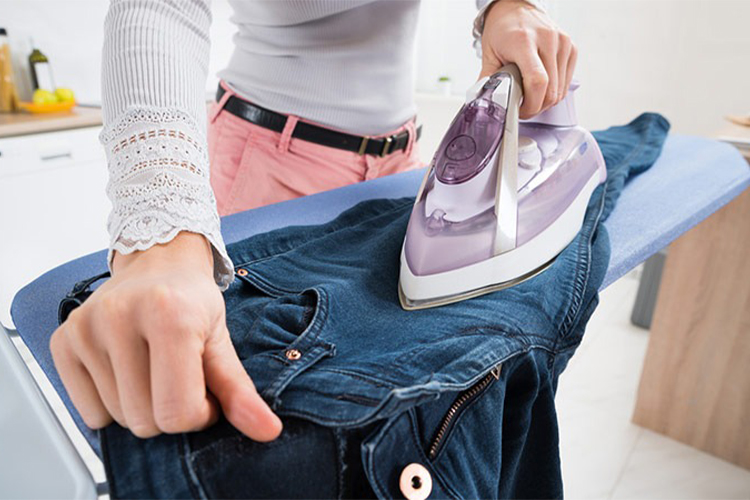
    Dampen loose areas on your jeans with hot water. This could be the waistband, thigh areas or knees. Turn your iron on the cotton setting and run it over the damp areas of your jeans. Be careful not to stay in one place for too long. Once the jeans are completely dry, you can put them on.


    Remember to only wet the problem areas of your jeans, not soak them.

    3. Go to the toilet

    This may seem a bit complicated, but it works well. Fill the bathtub with hot water. Remember not to use soap. Put on your jeans and get in the bathtub. Wait for the water to cool down and then get out. Shake off the excess water and go outside. You can also walk around a little, but make sure the jeans are completely dry so that they fit naturally to your figure.


    However, in cold weather, you can also hang the jeans outside after washing. Then let it dry for the rest of the day.

    4. Shrink jeans with a paddle

    Fill your sink with warm water and soak the jeans. Once the jeans are wet, take them off and wring them out until they are damp. Next, tap the entire fabric with a wooden paddle/spoon for about ten minutes and repeat the process on the other side. This method helps you shrink the jeans by increasing friction in certain areas.

    The 7 Best and Easiest Ways to Shrink Jeans

    5. Use the freezing method

    Place your jeans in the freezer overnight and take them out the next morning. After a day or two, your pants will shrink and you can wear them. However, this method is not recommended for cotton items as the material becomes stiff and uncomfortable after drying.

    6. Throw them in the dryer

    This technique is simple. Put your stretch jeans in the washing machine and set them to the highest temperature. When you’re done, throw them in the dryer. Wait until they are completely dry. Your broken-in jeans would be ready for immediate use. However, be careful if your jeans are made of delicate fabric – try to reduce the temperature in the washing machine accordingly.

    7. Use the boiling method

    Fill a large skillet or pot with 70 degree water. Please note that very hot water can damage the fabric. Now turn your jeans over and leave them over the pan. Make sure the jeans are completely submerged. Since the water is hot, you can press the jeans with a spoon or ladle. Leave it on for about 20 to 30 minutes. Avoid adding fabric softener to your jeans as it softens and relaxes the fibers. Stir the water from time to time. You can then drain the water and dry the jeans.


    Each of these techniques works differently for different types of materials.

    Conclusion

    Now you know exactly how to shrink your jeans. However, if your garment feels baggy despite these techniques, you should visit your local tailor and have the alterations made. Because the tricks mentioned here offer at best a temporary solution. A visit to a specialist can provide a permanent solution and also extend the life of your clothing.

  • Navigating the Path to Fashion Design: A Beginner’s Guide

    Navigating the Path to Fashion Design: A Beginner’s Guide

    Navigating the Path to Fashion Design: A Beginner’s Guide

    How to Become a Fashion Designer – A Guide for Beginners

    If you are wondering how to become a fashion designer, you will be glad that you have landed on the right page. Today in this article we will tell you all the details about choosing a career as a fashion designer. If you have already thought about becoming a fashion designer, you probably have a penchant for creativity because fashion design is actually an art form that requires tremendous creativity from the designer. If you are interested in fabrics and textures and know how to play with colors and their many shades, then that’s great because you will need the help of these interests. But it’s about much more than just the aspects mentioned. You also need to understand how to target a target audience, analyze markets, define a niche, understand fashion merchandising, and the like. So please scroll down and read this article to know what it takes to be a successful fashion designer.

    What is fashion design?

    Let’s just look at the big question and understand what fashion design really is. Simply put, fashion design is everything that comes to mind when talking about clothing and accessories. It is about the application of the art form in creating designs that are aesthetically influenced by social, geographical, economic and cultural conditions. And fashion design and related courses will give you orientation, structure and understanding of all the essential elements before you get there. Some courses focus more on certain attributes than others, depending on your niche and possible specialization. So at some point you have to think about which part of the spectrum you want to stick to.

    How to Become a Fashion Designer – A Guide for Beginners

    Learn how to become a fashion designer

    If you want to become a fashion designer, there are several options – one of which is to take the conventional and more practical route and study fashion design. Or do it the unconventional way without a certificate or degree and let your passion take precedence. Some may argue that you don’t need a degree to become a fashion designer, but you must understand that it is not an easy task. However, given the passion for the subject, it will be worth it. There is no right or wrong approach and no fixed recipe for success.


    While formal fashion design education takes a structured approach, the direct or informal approach is entirely up to you and the effort, time, energy, etc. you put into making your dream a reality.

    1. Sewing skills

    The basis for making a garment is sewing. So, as an aspiring fashion designer, you should improve your sewing skills. Understanding the techniques makes sketching easier. You deal with the nature of different fabrics and textiles and work with each of them. Sewing patterns and garment making form the basis of your skills. The designs unintentionally depend on several such factors. If you closely observe the work of some designers, you will notice that there is a distinctive stitch, style, or technique underlying their work. This includes experience, experimentation, research and understanding of the topic. As a beginner, take enough time to improve this skill, it will help you a lot on your way up.

    How to Become a Fashion Designer – A Guide for Beginners

    2.Design

    To successfully design garments and create your collection, many important elements must be brought together.


    Sketching is of course the first big step in this process and the basic framework for building the outfit. First, draw a rough sketch. This is a good start. Also because writing it down is different than visualizing it! This is the only way to improvise. So be prepared to sketch a lot.


    Choosing the fabric and what you want to make with it is the next big thing. While you can be creative and futuristic with patterns and prints, without the right colors and even the right shades, everything can fail. Every color comes in a million shades and finding the exact shade is an art in itself. An eye for detail is what you need. So when you look at an important collection, you see that the designer takes a theme and plays extensively with every color and pattern. It’s quite a balancing act.


    Technical details that most of us laypeople don’t understand. Taking your rough sketch to the next level and implementing it into the design of each garment is nothing short of science. How else do you think so many bodies fall? rtypes into one size category? Large companies have a team that works on different aspects of each collection, determining sizes, customizing each pattern, and ensuring that every piece of the puzzle fits together.

    3. Establish a niche

    As a beginner, all fashion enthusiasts want to do haute couture and believe that making expensive clothes will give them a breakthrough. However, that is not true and is exactly the opposite. Plus, there’s a lot more than haute couture, the markets have opened up a lot and if you’re really good you can open up a whole new dimension. Depending on where your interest lies, slowly think about a niche as you progress through your fashion design studies/internship/career. Here are your options:


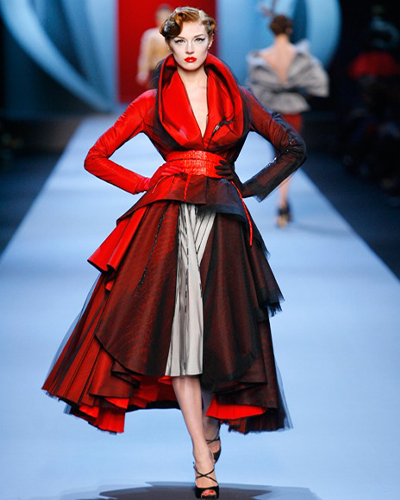
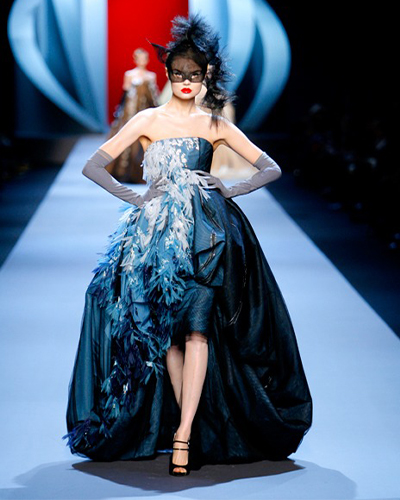
    Haute Couture – Bespoke or haute couture began in the era when each garment or dress was made for a specific customer. When it comes to fabrics, colors, technology and fit, more emphasis is placed on details than on price. Only elite members of society had access to designers who made haute couture dresses. However, times have changed and the talent pool has grown. Haute couture is now more accessible – from runways to flagship stores to red carpets – they’re everywhere. Although it’s every fashion designer’s dream to eventually get there, it’s not a good first step. However, with perseverance you can still achieve your goal.


    Mass production – It is the exact opposite of haute couture. These outfits come in bulk and are for everyone, and they are inexpensive. Big brands with their team of designers select a specific model, type or pattern that is trendy that season and make the outfits by machine. A business model that is considered the most profitable because it offers a greater number of opportunities that cover the relatively low production costs.


    Ready-to-Wear (Pret-a-Porter) – The next big thing in fashion is ready-to-wear, an in-between variant of the two. That’s why the designers who present their work at exhibitions, on catwalks and on red carpets also produce similarly high-quality garments, albeit in smaller quantities. These outfits are exclusive yet immediately wearable.

    How to Become a Fashion Designer – A Guide for Beginners

    4. Analyzing customer needs by identifying gaps in the industry

    It is not possible to compete with more than one boat. So first choose an industry and then research it in detail. The industry can be anywhere between men’s clothing, women’s clothing, children’s clothing, sports, bridal, sportswear, or a combination of two or more. Fashion design courses also teach you research techniques to help you analyze your chosen industry. You need to dig deeper to understand the needs of your niche and figure out if there is an entry point for you. If there is a gap, identify opportunities and places to publish your collection. This pre-production requires a lot of brainstorming and if you do it right, half the battle is won.

    5. Fashion purchasing and merchandising

    Another interesting and important aspect of becoming a successful fashion designer is understanding pricing techniques based on production costs and associated overhead costs. Fashion merchandising is a topic in itself, teaching you consumer behavior, pricing and the economics of running a profitable fashion business. Passion is one thing, but running a business is a whole new ball game and not for everyone. For your presence, it is crucial to get to know the market in order to recognize which trends are in demand.

    6. Market analysis and strategy

    Whether you decide to pursue fashion design under a label after graduating or take the fashion entrepreneurship route, you need to understand the other necessary peripheral areas that need to be honed alongside the actual craft. Fashion marketing is necessary to be able to share your creations with the masses. While designing clothing is one thing, understanding market conditions and having a strategy to bring it to market is equally important. Knowing the pulse of your market and customers is what takes your fashion business to the next level.

    7. Understand the target audience

    Understand the demographics and target audience. In fact, you need to know this before creating your collection. Put yourself in the shoes of your target group – think about what you would expect from a brand. This is a good starting point and makes the process less tedious. Understanding branding, building a good portfolio, attending fashion shows – all these processes help you figure out which target group you want to target. The collaboration with the underlying companiesectors sets you apart. Some of it you learn in theory, the rest you learn from experience.

  • Elevating Fashion for Women Over 50: Outfit Inspiration and Wardrobe Advice

    Elevating Fashion for Women Over 50: Outfit Inspiration and Wardrobe Advice

    Elevating Fashion for Women Over 50: Outfit Inspiration and Wardrobe Advice

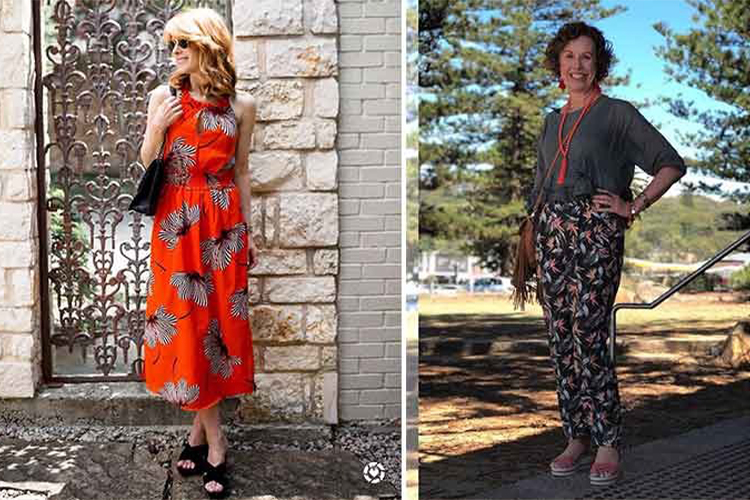
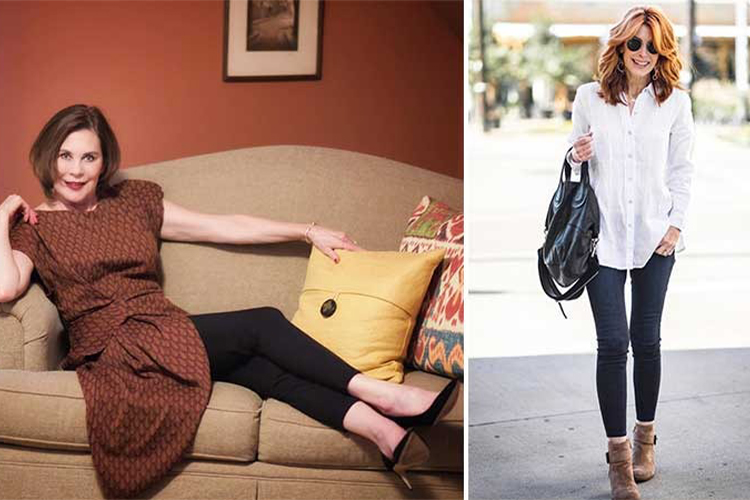
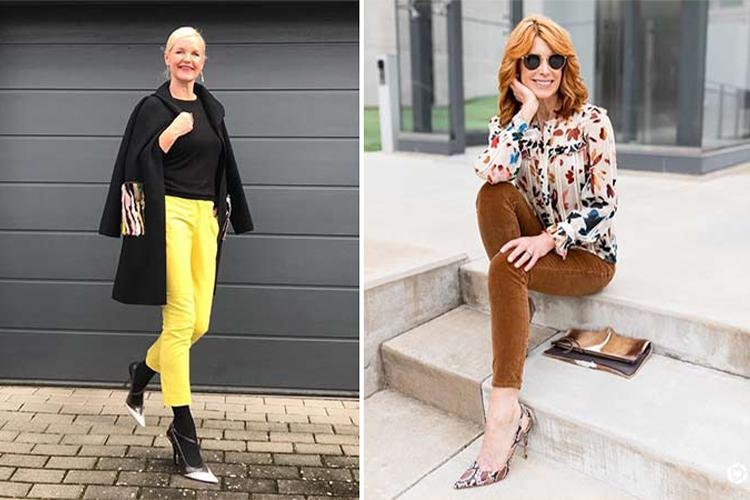
    Fashion for women over 50 – outfit ideas and wardrobe tips

    We’re sure celebs like Sandra Bullock, Sarah Jessica Parker, Halle Berry and Salma Hayek will give you major fashion goals and convince you that no matter how old you are, you never have to slack off when it comes to fashion. So if you are looking for fashion for women over 50 then you have come to the right place because we are here to help you with some outfit ideas for women. In this article, we share some of the best fashion tips and ideas for women over 50. Here are some bloggers in their 50s who can give you valuable fashion inspiration. So read this article immediately.

    1. Striped sweaters and ankle-length pants

    Swap your unsightly oversized sweaters for striped knit sweaters. There is no reason for you to argue that stripes are age inappropriate because they are not. Ditch your baggy sweatpants and buy these ankle-length pants. They are neither too loose nor too tight and fit perfectly, making it a casual yet stylish outfit.

    Fashion for women over 50 – outfit ideas and wardrobe tips

    2. Add layers – scarves, cardigans, etc

    Women over 50 often assume that 50 is old-fashioned, without realizing that it can be a pretty fabulous age. All you need are small additions like tops with asymmetrical cuts, chic patterns, cardigans and jackets to enhance your style and scarves to spice things up. Elegant and sophisticated scarves are a great asset not only for women in their 50s and plus sizes, but for almost everyone.

    3. Colors and prints

    A bold, bright piece of clothing never hurt anyone – don’t listen to anyone who says otherwise. Keep one color strong and tone down everything else. The same goes for prints and flowers (small or large, depending on your body type). Take inspiration from street fashion dressing and give it a little twist.

    Fashion for women over 50 – outfit ideas and wardrobe tips

    4. Bohemian dressing

    Go for boho style by wearing printed palazzos, tank tops and bandanas. Or stay stylish and show off your confidence with a red coat and accessories that are more than just fine silver jewelry.

    5. Denims for the fifties

    Dark washes, breathable denims with an elastic waistband that doesn’t pinch your stomach are perfect. Of course, bootcuts look good on older women, as do mommy jeans – but ditch the old versions and opt for brands that are constantly innovating to suit women over 40 and 50. Seriously, thanks to brands like Levis, Not Your Daughter’s Jeans, etc.

    6. Summer dressing

    Summer reminds you that winter is coming and these are the last months to wear cute clothes. Choose dresses that exude pure elegance and sophistication. Choose flowy dresses that fall below the knees and fall well. Don’t worry about figure-hugging outfits because that’s not what it’s about anymore. Choose cotton or chiffon pants that flatter your silhouette.

    Fashion for women over 50 – outfit ideas and wardrobe tips

    7. Leggings and skinny jeans

    If you can’t get over leggings, you don’t have to. Pair them with tops that fall below the hips and complete your outfit with scarves or blazers and jewelry if you feel like it. Skinny jeans are also fine – wear them with shirts made of linen, chambray or satin – super classy!

    8. Beachwear

    Let your beach vacation be all about ruffles, flowy tops, breathable pants, sarongs, one-piece dresses, and all things beach-related—without batting an eye or thinking about it.

    9. A little black dress

    Who says you can’t rock the classic little black dress? And who says it’s not age appropriate? Tweak the style a bit but still rock the black dress.

    10. Fall fashion

    Let fall be everything that excites you. Red jackets, stylish boots, warm conversations, pumpkin spice lattes and fresh evening walks. Don’t change anything, even if you’re over 50.

    Conclusion

    Just as age is not a barrier to fashion, it should not be a barrier to living life to the fullest. You have made several compromises in your life so far – put your family first and leave your own desires behind. You have now seen half a century. So it’s time for you to do everything you’ve always wanted to do! It is possible that after all these years of living for others, have forgotten how to live for yourself. No worries. Check out the infographic below for a mini wish list for your 50s to get you started. Don’t think too much and start ticking them off!

  • Must-Have Fashion Staples: Tank Tops, Flannel Pants, Clogs, Sweaters, Jeans, Sunglasses

    Must-Have Fashion Staples: Tank Tops, Flannel Pants, Clogs, Sweaters, Jeans, Sunglasses

    Must-Have Fashion Staples: Tank Tops, Flannel Pants, Clogs, Sweaters, Jeans, Sunglasses

    Fashion Essentials: Tank tops, flannel pants, clogs, sweaters, jeans, sunglasses

    Fashion is an ever-evolving art form, but amidst the trends and fads, certain pieces stand the test of time. These timeless fashion essentials form the basis of a versatile wardrobe and allow you to create countless stylish looks while enjoying comfort and individuality. Let’s delve into the world of tank tops, flannel shirts, clogs, sweaters, jeans and sunglasses – pieces that effortlessly combine fashion and functionality.

    1. Tank: The versatile canvas

    Tank tops are the epitome of versatile basics. Whether it’s a classic white tank or a pop of color, they’re perfect for layering or as standalone pieces. Wear them under a flannel shirt or pair them with jeans and sneakers for a casual outing. Tank tops are a fashion essential that embodies comfort and style and can be easily adapted to different looks.

    Fashion Essentials: Tank tops, flannel pants, clogs, sweaters, jeans, sunglasses

    2. Washcloth: A fashion classic

    Washcloths have proven to be a fashion icon. These cozy button-down shirts represent comfort and effortless style. Wear them over a tank top with jeans and ankle boots or throw them over a dress for a playful twist. The versatility of flannel fabrics makes them a must-have for any wardrobe.

    3. Clogs: style and comfort combined

    Clogs are making a comeback, and for good reason. They bridge the gap between style and comfort, offering a unique blend of fashionable design and comfort. Combine them with jeans and a sweater for a chic autumn look. Clogs are the perfect shoe choice to enhance your outfit without sacrificing comfort.

    4. Sweater: Enjoy cozy elegance

    Sweaters are synonymous with fall and winter fashion. From chunky knits to lightweight cardigans, they add warmth and elegance to your ensemble. Wear it over a tank top and pair it with jeans for a classic, cozy look. Sweaters are a timeless fashion essential that add structure and style to any outfit.

    Fashion Essentials: Tank tops, flannel pants, clogs, sweaters, jeans, sunglasses

    5. Jeans: The ultimate staple

    Jeans are arguably the most iconic fashion essential. They come in a variety of styles, fits and washes, making them incredibly versatile. Skinny, bootcut or boyfriend jeans – choose your favorite jeans and pair them with a tank top, sweater or flannel pants. The possibilities are endless, making jeans the foundation of a functional and stylish wardrobe.

    6. Shades: A touch of glamour

    Sunglasses or sunglasses are the epitome of coolness and elegance. Not only do they protect your eyes, but they also enhance your style. From classic aviators to trendy oversized frames, choose the colors that suit your face shape and personal style. Shades provide the finishing touch and add a touch of glamor to your overall look.

    Mix, match and express your unique style

    The beauty of these fashion essentials is that they can be combined to create a variety of looks. Pair a tank top with jeans and clogs for a casual day out, or wear a flannel shirt over a sweater with sunglasses for a casual yet chic ensemble. Unleash your creativity and express your unique style through these timeless fashion pieces.


    Incorporating tank tops, flannel shirts, clogs, sweaters, jeans, and sunglasses into your wardrobe will give you the versatility and comfort you need while allowing you to express your individuality. Fashion is a canvas, and with these essentials you can paint a masterpiece that reflects your personality and stands the test of time. Enjoy these classics, experiment and redefine your style with the evergreen fashion essentials.

  • Simple DIY Clothing Repair Techniques to Extend the Lifespan of Your Garments

    Simple DIY Clothing Repair Techniques to Extend the Lifespan of Your Garments

    Simple DIY Clothing Repair Techniques to Extend the Lifespan of Your Garments

    DIY clothing repair solutions to help your garments last longer.

    Fast fashion has become a popular trend in the clothing industry. This involves producing clothing at a rapid pace and at low cost, resulting in rapid style changes and a disposable attitude towards clothing. However, this has led to an increase in textile waste and environmental damage. In 2018, the United States alone generated 17 million tons of textile waste that ended up in landfills.


    To combat this wasteful trend, self-repairing garments have emerged as a viable solution to extend the lifespan of clothing. Self-repairing garments not only reduce waste but also promote a sustainable lifestyle. In this article, we’ll look at some DIY clothing repair ideas that can help extend the life of your clothes.

    patchwork

    One of the simplest and most common self-repair techniques is patchwork. This involves sewing a piece of fabric to a worn area of the garment. This technique is not only practical, but can also add a unique touch to the garment. Patches can be made from scrap fabric or purchased online. You can even use a decorative patch to add a pop of color to a plain garment.

    DIY clothing repair solutions to help your garments last longer.

    Plug

    Darning is another traditional repair technique in which holes or tears in a garment are repaired by sewing on a woven patch. This technique works well for knitted or woven garments such as sweaters or socks. Darning can be done by hand or with a sewing machine. If you’re not sure how to darn, there are plenty of tutorials online.

    embroidery

    Embroidery is a versatile self-repair technique that can be used to cover holes or stains or simply add a decorative touch to a garment. Embroidery can be done by hand or machine and can be as simple or elaborate as you like. You can also use embroidery to create a design or add text to a garment.

    Upcycling

    Upcycling is all about transforming old or worn clothing into something new and exciting. For example, you can turn an old T-shirt into a tote bag or a pair of jeans into a pair of shorts. The possibilities are endless and upcycling is a great way to give new life to your old clothes.

    DIY clothing repair solutions to help your garments last longer.

    Visible repair

    Visible patching is a trendy repair technique that makes repairs to a garment visible. Instead of trying to hide the repair, visible repairs capture it and turn it into a decorative element. This technique can be done through embroidery, patchwork, or simply tracing the repair site with a fabric marker.

    Replacing buttons and zippers

    One of the most common problems with clothing is missing or broken buttons and zippers. Fortunately, these components can be easily replaced. If you have a sewing machine, you can replace buttons and zippers yourself. If not, you can take your garment to a tailor or dry cleaner for a quick repair.

    Restoring faded colors

    Over time, clothing colors may fade due to exposure to sunlight and washing. To restore faded colors, you can try dyeing the garment with a fabric dye. There are various fabric dyes available in the market that can help restore the color of your garment. Follow the instructions carefully and choose a color that is suitable for the fabric of your garment.

    Repair seams

    Another common problem with clothing is ripped or frayed seams. This can be easily fixed with a needle and thread. For a decorative touch, you can use a matching thread color or a contrasting color. If the seam is too damaged, you may need to reinforce it with a patch.

    DIY clothing repair solutions to help your garments last longer.

    Add pockets

    Many items of clothing, especially women’s clothing, lack functional pockets. Adding pockets can not only add functionality to your garment but also give it a unique touch. You can find numerous instructions on the Internet for attaching pockets to clothing.

    Fabric color

    If you have a stain on your garment that cannot be removed or you want to add a design to a plain garment, fabric paint can be a good option. Fabric paint comes in a variety of colors and can be used to create designs and patterns or even to cover up stains.

    Applications

    Applique is a technique in which a fabric or pattern is sewn onto a garment to cover a hole or stain. You can use scraps of fabric or an old piece of clothing for the application. This technique can also be used to add a decorative touch to a plain garment.

    Braided trim

    If a garment has a frayed edge, you can cover it with braided trim. This technique involves braiding strips of fabric and sewing them to the edge of the garment. You can use contrasting or matching colors to create a decorative effect.

    Reverse application

    Reverse appliqué is a technique in which a pattern is cut out of a garment to reveal an underlying layer of fabric. This technique can be used to cover up a stain or add a unique design to a garment. Reverse applique can be done by hand or with a sewing machine.

    In addition to these techniques, it is important to take a preventative approach to extend the life of your clothing. This includes investing in high-quality, long-lasting clothing, avoiding trends that quickly go out of style, and caring for your clothing properly by following the care instructions on the label.


    In summary, self-repairing garments are a great way to reduce textile waste and promote sustainable fashion. A variety of techniques are available to repair your garments, including applique, reverse appliqué, shibori dyeing, braiding, and fabric patching. By repairing your clothes instead of throwing them away, you can save money and reduce your environmental impact. So next time you need to get a garment repaired, consider trying one of these techniques to make it last.

  • 11 Chic Outfit Combinations: Colors That Pair Perfectly with Red Garments

    11 Chic Outfit Combinations: Colors That Pair Perfectly with Red Garments

    11 Chic Outfit Combinations: Colors That Pair Perfectly with Red Garments

    Colors that go well with red clothes – 11 outfit combinations

    Red stands for love, passion and courage. It’s Cupid’s favorite, and so is every fashion enthusiast. If you’re wondering what colors go well with red, there are many options you can try.


    Although it is one of the most beautiful and vibrant colors, it can be difficult to contrast. But with a little experimentation, you can create looks that will make you stand out from the crowd. No matter the shade – purple, scarlet or burgundy – combine them with browns, blues or grays and they will instantly improve your overall look! Plus, you can keep reinventing these red outfit ideas all year round, regardless of the season. Swipe up to discover our simple, easy and creative ideas!

    1. Black and Red

    It may seem like an ordinary combination, but when done right, it looks super chic. However, don’t go for bold reds and blacks as that will look pretty shabby. Opt for a mild tomato red if you want to wear black. Play with patterns, cuts and layers. Sheer skirts and printed leather jackets with a splash of red lipstick are also an elegant option. You may not have to dig deep into your closet for this.

    Colors that go well with red clothes – 11 outfit combinations

    2. Red and Blue

    Red and blue can be a classy combination if you have the eye for it. Wear a blue chambray blazer over a muted red dress for formal meetings or a powder blue leather jacket when you’re out and about. Top it off with a red hat and red handbag to take the look in the opposite direction.

    3. Yellow and red

    The combination of yellow and red is probably not the first color combination that comes to mind. But you can exercise it as long as you do it carefully. You can start with subtle details like a yellow clutch, pumps or accessories to a red outfit. Or wear a yellow tank top under a red blazer or vice versa. One of the best ways to style a blazer is to choose a plus size blazer as it will make any outfit look casual yet stylish.

    Colors that go well with red clothes – 11 outfit combinations

    4. Checkered and red

    Next time you pull out that plaid shirt or skirt from your closet, resist the temptation to pair it with black or white. Opt for a muted red shirt or tank top if you’re wearing a skirt, or a ruffled mini skirt if you’re wearing a shirt. You can also wear good statement boots to create an edgier look.

    5. Gray and red

    Gray is a foolproof color for formal wear. You simply can’t go wrong with this. The cool gray tone allows the red to stand out and speak for itself.

    6. Green and Red

    You don’t have to look like a Christmas tree to highlight greens and reds. Velvet, corduroy and georgette are interesting fabric options for bringing red and green together. The materials have an inherent undertone that works well with this color combination.

    7. Red and purple

    Combining different shades of red is a whole new game. It gives you the opportunity to create a tailored outfit using pieces you already have in your closet. Those crimson pants, red leather jacket, and black turtleneck do just that. Extremely stylish but not loud at all.

    8. Burgundy and teal

    Here’s another Parisian street style look you can try. Burgundy is a beautiful shade that has a sublime appeal like no other color. A teal dress, a red jacket and red pumps are a great combination for your ensemble.

    9. Prints and red

    Add some character to the already classy red by pairing it with some prints. Avoid stripes and OTT florals and opt for an animal print instead. Animal print pants, culottes, or skirts look incredibly cute with red sweaters or turtleneck T-shirts.

    Colors that go well with red clothes – 11 outfit combinations

    10. Red and pink

    You can combine red with its closest neighbors in the color spectrum, such as: B. Candy pink, peach, pink or blush. If it is a two-piece outfit, go for a red bottom and experiment with the top.

    11. Black and white with red

    Are you wearing a black and white outfit? You know there’s still room for some red, right? Ditch the usual leather jacket and opt for a bomber jacket instead. It’s the street style moment Sie have waited.

    Conclusion

    Red is such a wild, beautiful and striking color. But if you combine your red clothes with the wrong color combinations, it can look strange. To avoid this, we have selected the 5 best color combinations that you can combine with red clothes from the list above.